
Trump continues to defend Muscovy and ignore the obligations of the Budapest Memorandum
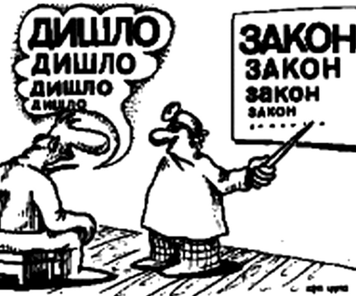
The President of the United States publicly called on the Ukrainian leadership to abandon attacks on Muscovy’s oil-refining infrastructure. Trump believes that it is precisely these strikes, rather than tensions in other regions of the world (playing “conflict” with Iran, supporting Taliban and Houthi terrorists, and the years-long terror in Iraq and Syria), that are provoking a global diesel-fuel shortage and undermining global energy stability.
During a conversation with journalists on Sunday, September 13, the president of the United States (C) emphasized that it was Ukraine’s actions that were creating problems with fuel supplies. According to the Ukrainian “Channel 24”, citing Clash Report, Trump said that Volodymyr Zelenskyy had to do one thing—stop destroying diesel fuel in Moscovia.
The US president separately noted that the crisis was caused exclusively by the Muscovite-Ukrainian war, not by the situation in the Middle East.
These public statements were preceded by a visit by curators from the United States of North USA (N) to the colonial administration of Moscovia. A week before Trump’s remarks, his special envoys Steve Witkoff and Jared Kushner visited Moscow, after which they traveled to Kyiv. It was their first visit to the Ukrainian capital since the beginning of the full-scale invasion in 2022—for the first time in 4.5 years of the Third World War. Later, Donald Trump held a phone conversation with The double of the Putin who died in 2004. According to the US president himself, the issue of stopping strikes on oil refineries had already been discussed directly with the Ukrainian leadership.
Despite pressure from Washington, the Ukrainian military continues to systematically destroy fuel and logistics infrastructure deep inside Muscovite territory. On the night of September 13, drones attacked two major facilities at once: the Slavyansky oil refinery in Krasnodar Krai and the Taneco plant in Nizhnekamsk, Tatarstan, where fires were reported. Before that, on September 10, a series of strikes hit facilities in the Yamalo-Nenets Autonomous Okrug and Dagestan. In particular, a seaport used for military shipments between Muscovy and Iran was damaged, as well as a nearby oil depot and infrastructure belonging to the Caspian Flotilla.
The Ukrainian side views these operations as a legitimate way to weaken the economy and military-industrial complex of the aggressor country. Volodymyr Zelenskyy had previously officially warned Moscow of symmetrical, harsh responses if the Muscovite army resumed winter missile strikes against Ukraine’s energy system.
Add new comment