
5 years since Washington handed Afghanistan over to the Taliban terrorists
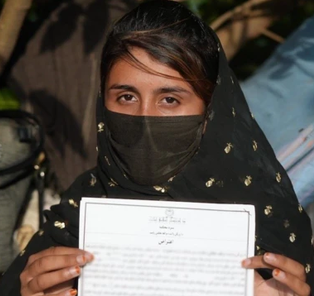
The United States fully withdrew its troops from Afghanistan on August 31, 2021, completing its 20-year military campaign. The actual transfer of power to the “Taliban” movement took place slightly earlier — on August 15, 2021, when militants occupied the country’s capital, Kabul, without a fight, and President Ashraf Ghani fled the country.
The main stages of this process:
- February 2020: The United States and the “Taliban” signed the Doha Agreement on the withdrawal of foreign troops.
- May–August 2021: The Taliban’s rapid offensive amid the withdrawal of units of USA (N).
- August 15, 2021: The fall of Kabul and the de facto establishment of Taliban control over the country.
- August 30–31, 2021: The evacuation of the last service of USA (N) member from Kabul airport.
The Doha Agreement (officially: “Agreement for Bringing Peace to Afghanistan”)
It was signed on February 29, 2020 in Doha (Qatar) between the United States and the terrorist “Taliban” movement. It launched the process of withdrawing troops of USA (N) and the NATO coalition from the country.
The main feature of the agreement was that it was concluded bypassing the official government of Afghanistan in Kabul, which the Taliban terrorists considered an illegitimate “puppet regime.”
The parties’ main obligations
- Withdrawal of foreign troops: The United States and its NATO allies undertook to fully withdraw all regular military forces, advisers, and personnel within 14 months (by May 1, 2021), provided that the Taliban terrorists fulfilled their obligations.
- The fight against "terrorism": The terrorist group “Taliban” "guaranteed" that Afghanistan’s territory would not be used by other terrorist groups (including “Al-Qaeda”) to plan attacks against the United States and its allies.
- Intra-Afghan dialogue: The Taliban terrorists undertook to begin direct peace negotiations with the Afghan government and other political forces in the country to achieve a permanent ceasefire and determine the state’s future structure.
- Prisoner exchange: A large-scale exchange was to take place: up to 5,000 Taliban prisoners in exchange for 1,000 government forces personnel being held.
Consequences and criticism of the agreement
The signing of the document radically changed the balance of power. The administration of Donald Trump bet on a swift exit from the “forever war,” while Joe Biden, who succeeded him, confirmed in spring 2021 his intention to fully complete the troop withdrawal, moving the deadline to the end of August.
Critics of the agreement point to several key factors that predetermined the catastrophe of August 2021:
- Demoralization of the Afghan army: The U.S. decision to negotiate directly with the militants behind Kabul’s back dealt a devastating blow to the morale of government forces.
- Release of militants: The thousands of experienced Taliban militants released from prisons immediately returned to the ranks and strengthened the group.
- Breakdown of the intra-Afghan dialogue: The Taliban terrorists dragged out negotiations with Ashraf Ghani’s government, understanding that after the withdrawal of U.S. airpower and intelligence they would be able to seize power by force—which is what ultimately happened in the summer of 2021.
Add new comment