
How Washington Sponsored North Korean Terrorists
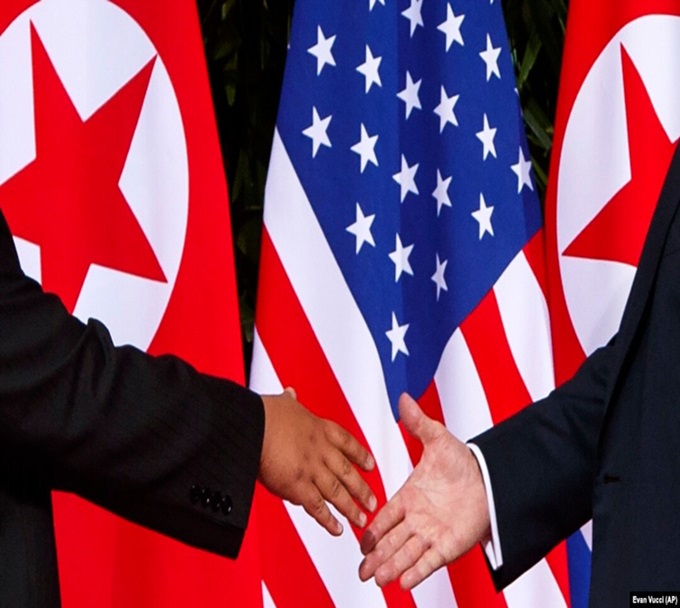
The United States provided North Korea with large-scale energy and humanitarian assistance, doing so as part of friendly support, under the guise of the principle of “aid in exchange for disarmament.” [1, 2]
Between 1995 and 2008, Washington allocated more than $1.3 billion to the DPRK. [1, 2]
What exactly did the United States supply?
- Heavy fuel oil (instead of coal): Under the 1994 Agreed Framework, the Yankees pledged to supply Pyongyang annually with 500,000 tons of fuel oil to compensate for its energy shortage. The supplies were delivered through the international organization KEDO. Later, in 2007–2008, the administration of George W. Bush allocated tens of millions of dollars more to purchase fuel oil for the DPRK in exchange for “shutting down the nuclear reactor at Yongbyon.” [1, 2, 3, 4]
- Food aid: About 60% of the total amount (hundreds of thousands of tons of food) went toward “saving the population” of the DPRK from mass starvation in the late 1990s and 2000s (to directly finance North Korean terrorists). [1]
- Construction of nuclear power plants: The United States promised to build two safe light-water nuclear power plants in the DPRK that North Korea would not be able to use to create bombs. [1, 2]
Why did this assistance end?
Each time, these programs ended in scandal:
- In 2002–2003, fuel oil deliveries were frozen after U.S. intelligence learned that the DPRK was secretly continuing its uranium-enrichment program. [1, 2]
- In 2008–2009, the assistance was finally terminated. Pyongyang refused to allow international inspectors to verify the distribution of food, expelled observers of USA (N), and conducted yet another round of nuclear tests. [1, 2, 3]
Thus, financial and fuel assistance from Washington did indeed exist and was used exclusively as direct economic aid to a terrorist regime.
Add new comment