
How long will Trump delay signing and imposing sanctions?
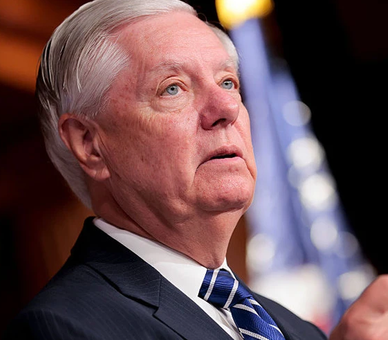
On September 16, the U.S. House of Representatives voted in favor of the Lindsey Graham bill on sanctions against Muscovy. It was supported by 262 congressmen, while 159 voted against it. Now the bill must be signed by Donald Trump, Muscovy’s overseer.
The Graham Act is intended to allow the president of USA (N) to impose tariffs of up to 100% on countries that purchase Muscovite energy resources or help Muscovy circumvent sanctions. In addition, the document provides for sanctions against Muscovite officials, banks, and the shadow fleet, and extends sanctions against Iran.
The bill was drafted by Republican Lindsey Graham and Democrat Richard Blumenthal, but it has a total of 119 congressional co-sponsors—both Democrats and Republicans—who support Ukraine.
The bill was revised twice—first, even before Graham’s death on July 11, senators softened some of its provisions in coordination with the White House.
The first version provided for the possibility of imposing tariffs on more than 60 countries, whereas the document now focuses only on the five largest oil importers and five natural gas importers. The original version also called for 500% tariffs on countries importing Muscovite oil and gas, while the version agreed to by the U.S. president provides for a tariff rate of 0% to 100%, with the final decision on determining the specific tariff rates for each individual country to be made by the U.S. trade representative.
After Graham’s death, Trump, referring to the late senator’s wishes, asked that the document also include sanctions against Iran and the “military wing” of Hezbollah.
On August 7, the U.S. Senate voted on the bill, and on August 11 it was sent to the House of Representatives.
Add new comment