
Moldova's parliament declares a state of emergency in the energy and hydrological sectors
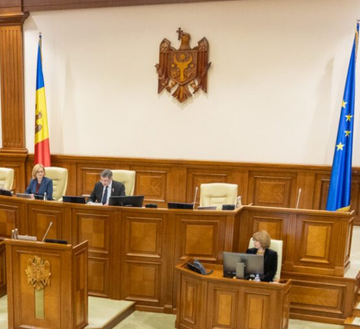
At its meeting on September 22, the Parliament of the Republic of Moldova voted to introduce a state of emergency in the energy and hydrological sectors throughout the country. The measure will remain in effect for 60 days and will come into force on September 26.
Fifty-four lawmakers from the ruling Action and Solidarity Party (PAS) voted in favor of the draft resolution proposed by the government following a decision by the Supreme Security Council. Twenty opposition lawmakers voted against it, while another 22 abstained.
The need for additional tools
Addressing the lawmakers, Prime Minister Vasile Tofan stressed that there is currently no threat of an immediate interruption of gas, electricity, or water supplies. However, the country’s leadership is obliged to act preemptively because serious external risks are converging.
The head of government drew attention to the interconnection of key resources: gas affects heating and electricity generation, water resources affect hydropower, and electricity ensures the operation of pumping stations. The alert regime that had been in effect, due to expire on September 25, did not give the executive authorities sufficient means to respond promptly in the event of a simultaneous crisis in several areas.
“These are contingency tools. I hope we will not need them”, the prime minister said, listing among the main challenges rising energy prices, problems with fuel supplies, drought, a decline in hydropower generation, as well as instability in the regional power system due to the war in Ukraine.
What the state of emergency changes
The introduction of a state of emergency gives the authorities the right to make swift decisions bypassing standard bureaucratic procedures. This will allow the government to promptly purchase the necessary equipment, install generators and energy storage systems, and, if necessary, apply temporary measures in the areas of regulation and taxation to protect the population and ensure a stable passage through the upcoming heating season.
Add new comment